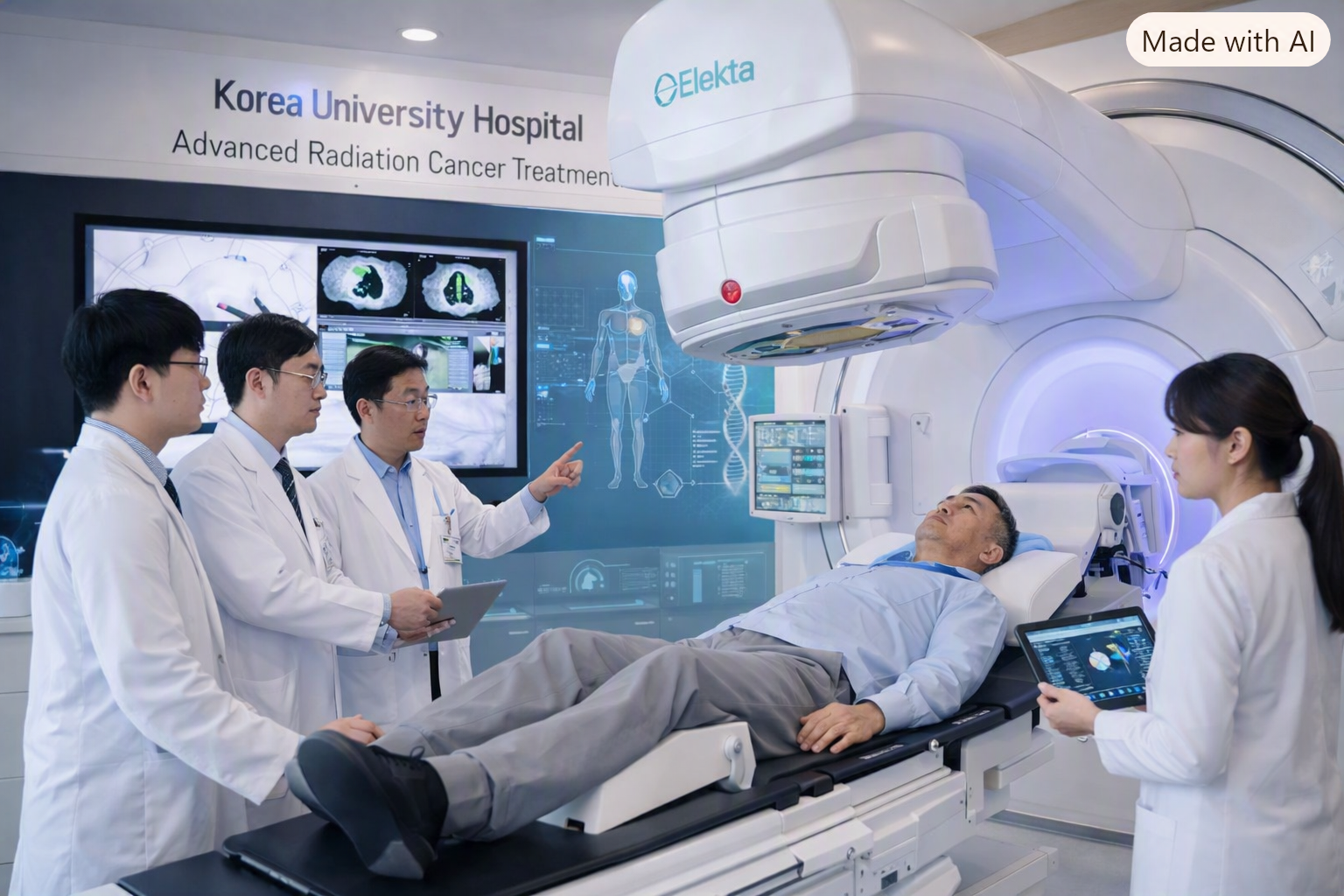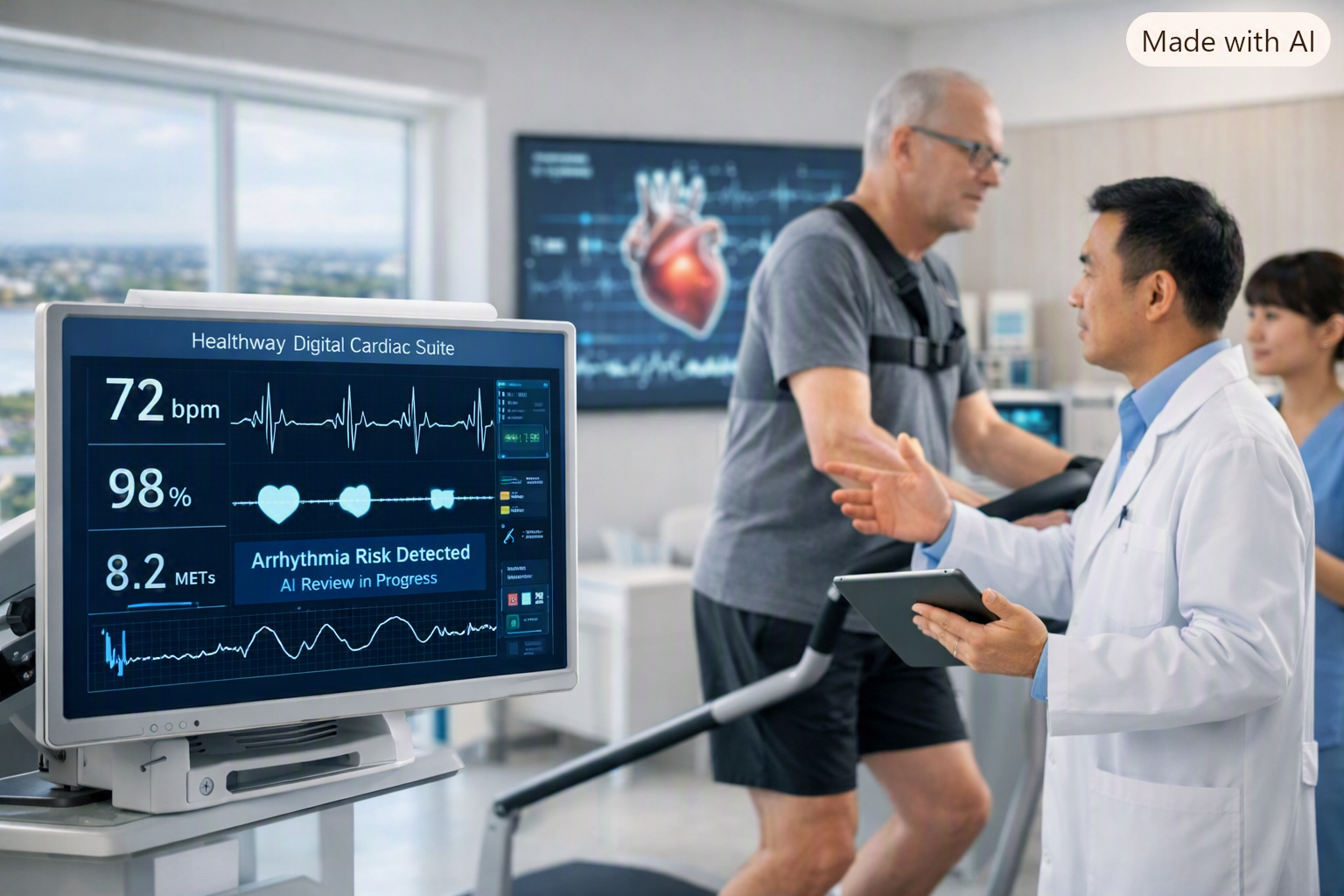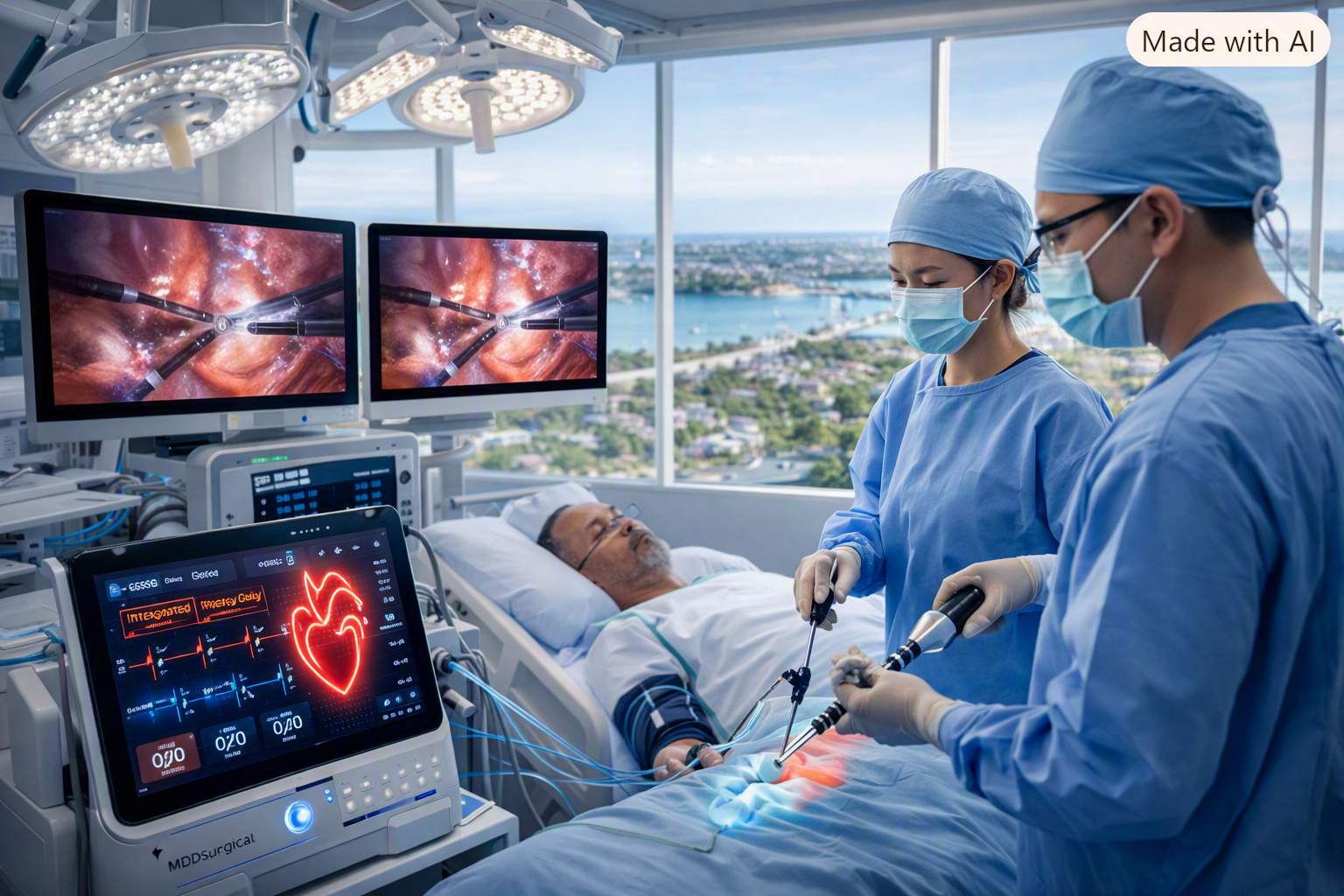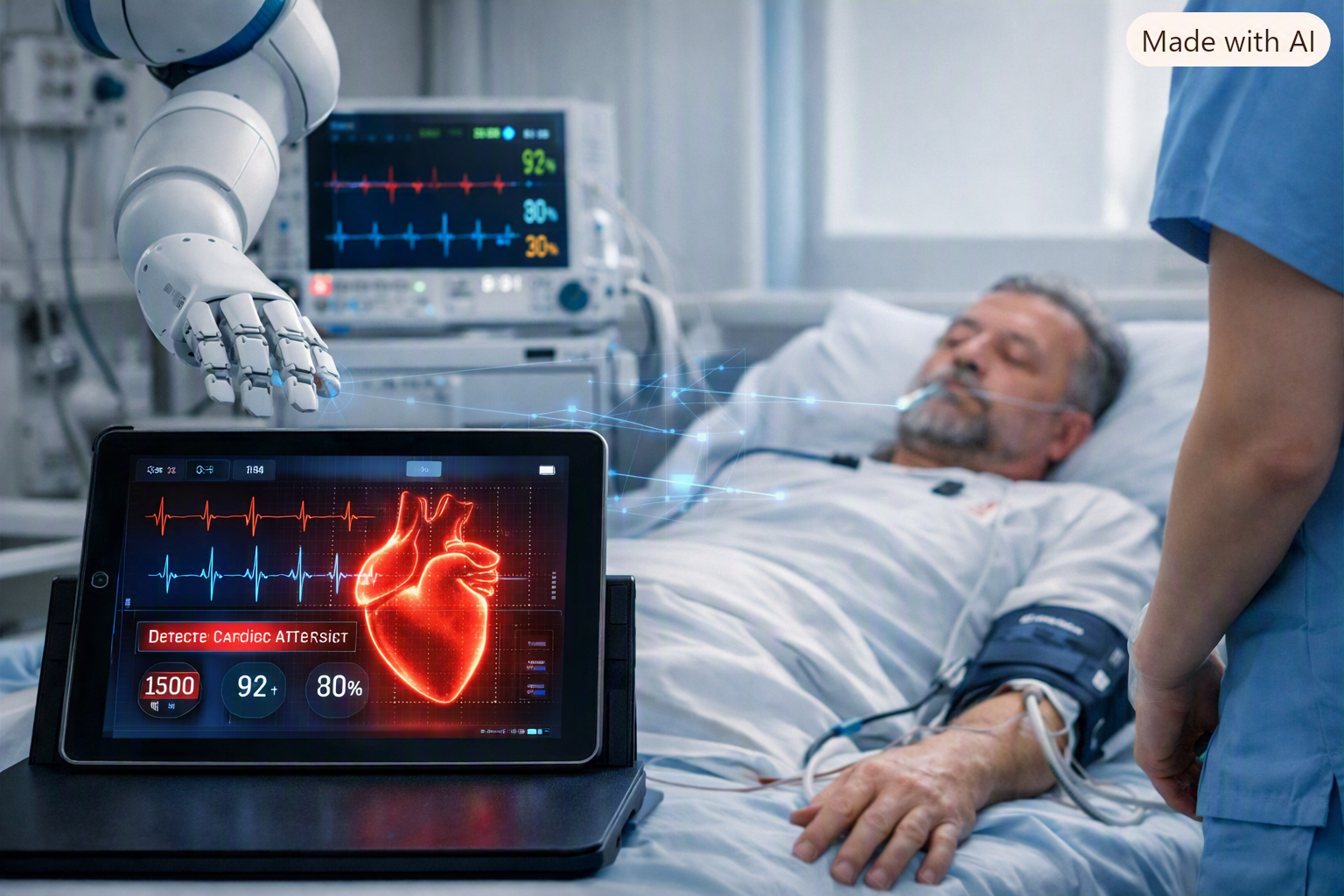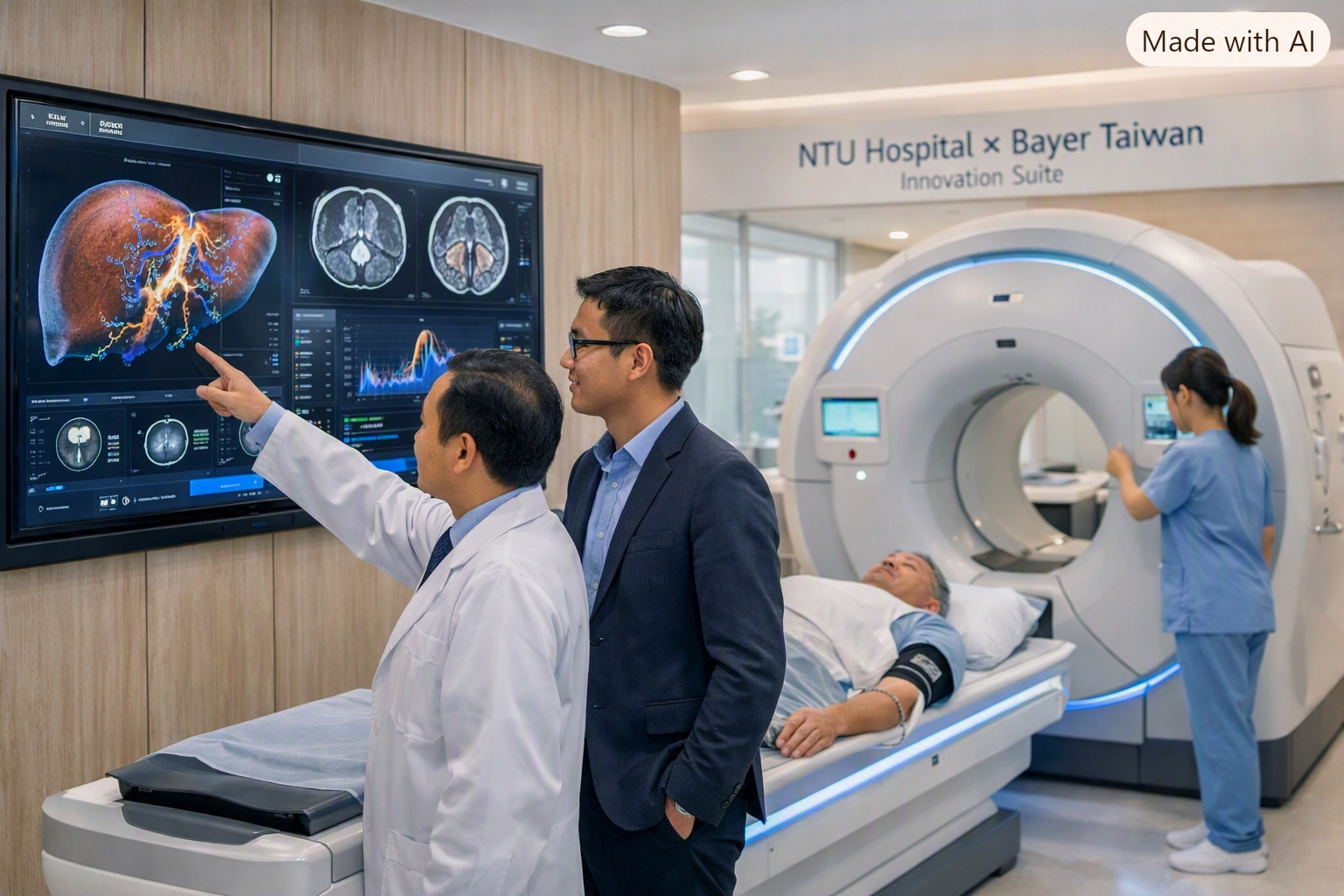
Medical imaging is undergoing a quiet revolution in Asia, and Taiwan is leading the charge. A landmark collaboration between NTU Hospital and Bayer Taiwan is set to redefine how CT scans are performed, interpreted, and integrated into patient care — and for international patients considering treatment in Taiwan, this is news worth paying close attention to.
NTU Hospital and Bayer Taiwan Team Up on Smart CT Scan Technology
National Taiwan University Hospital (NTUH), consistently ranked among Asia's premier academic medical centers, has officially partnered with Bayer Taiwan to develop and deploy advanced smart CT scanning technology. The collaboration merges Bayer's globally recognized expertise in contrast media and radiology solutions with NTUH's reputation for clinical excellence and research innovation. Together, they are building a smarter, more precise diagnostic environment — one that could significantly raise the standard of care for both local and international patients.
According to reporting by Healthcare Asia Magazine, the partnership focuses on integrating AI-assisted imaging analysis with next-generation contrast agent protocols, reducing scan times and enhancing diagnostic accuracy — a development with wide-reaching implications for oncology, cardiology, and neurological care.
What Does "Smart CT Scan Technology" Actually Mean?
Traditional CT scanning, while powerful, has always relied heavily on the radiologist's eye and experience. Smart CT technology changes this equation by layering artificial intelligence into the scanning and review process. Here is what the NTU Hospital and Bayer Taiwan team-up brings to the table:
AI-assisted image reconstruction: Algorithms clean up scan data in real time, producing sharper images with lower radiation doses.
Optimized contrast media protocols: Bayer's pharmaceutical expertise helps tailor iodine-based contrast agents to individual patient profiles, improving visualization of tumors, blood vessels, and organ structures.
Automated anomaly flagging: Machine learning models can highlight areas of concern for radiologists to review, reducing the chance of missed findings.
Faster reporting workflows: Integrated software shortens the time from scan to diagnosis, which is critical for time-sensitive conditions like stroke or aggressive cancers.
Reduced patient exposure: Smarter scanning protocols mean patients receive a meaningful diagnostic benefit at lower radiation levels than conventional CT methods.
For patients traveling internationally for complex diagnoses or second opinions, this level of diagnostic precision is not a luxury — it is a fundamental requirement. A clearer, faster, and more accurate CT scan can be the difference between an early-stage and a late-stage cancer diagnosis.
Why Taiwan? Understanding the Medical Context
Taiwan has built one of the most sophisticated healthcare systems in Asia, combining universal coverage infrastructure with world-class academic medicine. NTUH, founded in 1895 and affiliated with National Taiwan University, is one of the region's largest teaching hospitals, with over 2,900 beds and internationally trained specialists across virtually every medical discipline.
For international patients, Taiwan offers compelling value. A high-resolution CT scan at a leading Taiwanese hospital typically costs between USD $150 and USD $400 depending on the body area scanned and whether contrast is used — a fraction of what patients would pay in the United States, where the same scan can run USD $1,500 to USD $3,000 without insurance. With the addition of smart AI-enhanced imaging, that value proposition becomes even stronger: patients get more for less.
Taiwan's medical tourism sector has grown steadily, with the government actively promoting the island as a regional hub for health travel. The Joint Commission International (JCI) accreditation held by multiple Taiwanese hospitals, including NTUH, ensures that international standards of care are not just claimed but independently verified.
Why This Matters Now
The timing of the NTU Hospital and Bayer Taiwan team-up is significant. Globally, healthcare systems are under pressure to do more with less — to diagnose faster, treat earlier, and reduce unnecessary procedures. AI-integrated imaging sits at the center of that solution. As hospitals across Asia race to adopt these technologies, NTUH's partnership with a pharmaceutical and radiology giant like Bayer signals a serious, infrastructure-level commitment rather than a pilot program or proof-of-concept trial.
For international patients, this matters because it answers a fundamental question: can I trust the diagnosis I receive abroad? When a hospital like NTUH collaborates with Bayer — a company whose contrast media and radiology platforms are used in leading hospitals across Europe, the United States, and Japan — the answer becomes a confident yes. This is not a regional workaround; it is a globally benchmarked diagnostic standard arriving in Taiwan.
Furthermore, as AI imaging tools become more accurate at detecting conditions like early lung cancer, liver lesions, and cardiovascular anomalies, the window for life-saving intervention grows wider. Patients who once traveled abroad only for surgery may increasingly find that their diagnostic journey itself is worth making internationally.
How Le Medica Helps You Navigate Options Like This
Keeping up with hospital developments, technology upgrades, and specialist capabilities across five countries is a full-time job — and it is exactly the job Le Medica does for you. When NTU Hospital and Bayer Taiwan team up on a capability as significant as smart CT imaging, our care coordinators update their knowledge base so that patients asking about imaging, oncology workups, or pre-treatment diagnostics in Taiwan get accurate, current guidance.
Le Medica helps international patients compare hospitals in China, Malaysia, Thailand, South Korea, and Taiwan across dimensions that matter: technology, specialist credentials, language support, turnaround times, and total cost of care. We coordinate appointments, arrange medical records translation, and help you understand exactly what you are getting — before you travel.
Frequently Asked Questions
Is NTU Hospital accessible to international patients?
Yes. National Taiwan University Hospital has an established international patient services division that assists with appointment scheduling, medical interpretation, insurance documentation, and coordination with overseas physicians. English-speaking staff are available, and the hospital regularly treats patients from Southeast Asia, the United States, Canada, and Europe.
How much does a CT scan in Taiwan cost compared to other countries?
In Taiwan, a standard CT scan typically ranges from USD $150 to USD $400, depending on the type and whether contrast media is used. This compares favorably to the United States ($1,500–$3,000), Australia ($500–$1,200), and even neighboring countries like Singapore ($400–$900). The introduction of smart AI-enhanced CT technology at NTUH adds diagnostic value without significantly increasing cost.
What conditions benefit most from AI-enhanced CT imaging?
AI-enhanced CT is particularly valuable in oncology (detecting and staging tumors), cardiology (assessing coronary artery disease and structural heart issues), neurology (identifying strokes, aneurysms, and brain lesions), and pulmonology (screening for early-stage lung cancer). The improved image clarity and automated flagging features make it especially useful in complex or ambiguous cases where standard imaging might miss subtle findings.
Can Le Medica help me arrange a diagnostic CT scan at NTUH?
Absolutely. Le Medica's care coordinators can help you assess whether a diagnostic workup in Taiwan is the right fit for your situation, connect you with the appropriate specialist department at NTUH or other leading Taiwanese hospitals, and coordinate the full logistics of your visit — from pre-travel preparation to post-scan consultation follow-up.
Ready to Explore World-Class Diagnostics in Taiwan?
Whether you are seeking a second opinion, a pre-treatment imaging workup, or access to the latest in AI-assisted diagnostic technology, Taiwan's top hospitals are ready to welcome you. The partnership between NTU Hospital and Bayer Taiwan is just one example of the innovation that makes Asia's leading medical centers genuinely competitive with the world's best. Let Le Medica help you take the next step with confidence — reach out to our team today to discuss your options, compare facilities, and start planning your care journey. Contact Le Medica here and speak with a coordinator who understands your needs.
References
Healthcare Asia Magazine. NTU Hospital, Bayer Taiwan team up on smart CT scan technology - Healthcare Asia Magazine [Internet]. 13 Aug 2026. Available from: https://news.google.com/rss/articles/CBMiqgFBVV95cUxPZnFyLUVMekN0SklxcmJIdUw3a1I1TTF2TnM2dzRza18wSVRkemMtTzJnVjRaTzdsVVZDMU1DbVhITFJxY1hrb054dEJyU21JX21Yd04wSUFUMzRVOUZJeEt1XzNEUEYtaTU4WFZpemhzc1BseG5ENlJPR3VfbG03dmRwLUQ2SWVYVjdQTE5UMDJ3dVJVOWl1NVVHNGQwMF9RWjhRSmwxbE5mUQ?oc=5