[QUICK TAKE: GROUP COSMETIC SURGERY LOGISTICS]
Full-service group coordinators handle every logistics layer a self-service booking platform leaves to you, and the group-specific version of that work goes almost entirely uncovered even by the pages Bookimed and medicaltourism.com rank for.
A full-service coordinator, working with several patients on one itinerary, manages:
• Shared Airport Transfers: Synchronized ground transport moving the entire group between airport, hotel, and clinic together.
• Staggered Surgery Scheduling: Deliberately sequencing procedure dates around a single, shared recovery home base.
• Group-Rate Advantage: Utilizing bundled flight blocks and accommodation rates to significantly reduce per-person travel costs.
• Peer Recovery Infrastructure: Coupling 24/7 coordinator oversight with structured, simultaneous patient-to-patient emotional support.
What a full-service coordinator manages before you travel
A full-service coordinator turns a scattered group booking into one synchronized itinerary before anyone leaves home. A basic booking platform gives you a flight and a hotel room, then leaves the hard coordination to you. When several patients travel together for surgery, that difference decides whether the trip runs smoothly or falls apart at the first schedule conflict.
Your coordinator secures group-rate flight and accommodation blocks so everyone arrives on compatible dates and stays near the same clinic. Booking these separately usually means mismatched arrival times, split hotels, and transfers that no longer line up. Reserving as a block also keeps the group in one recovery base, which matters later when patients are healing together.
Pre-op consults get sequenced deliberately, not stacked at random. Each patient needs medical records, surgeon reviews, and pre-surgery appointments confirmed before travel, and your coordinator lines these up so the group's timeline holds together. Missing paperwork for one person can delay a shared surgery week for everyone.
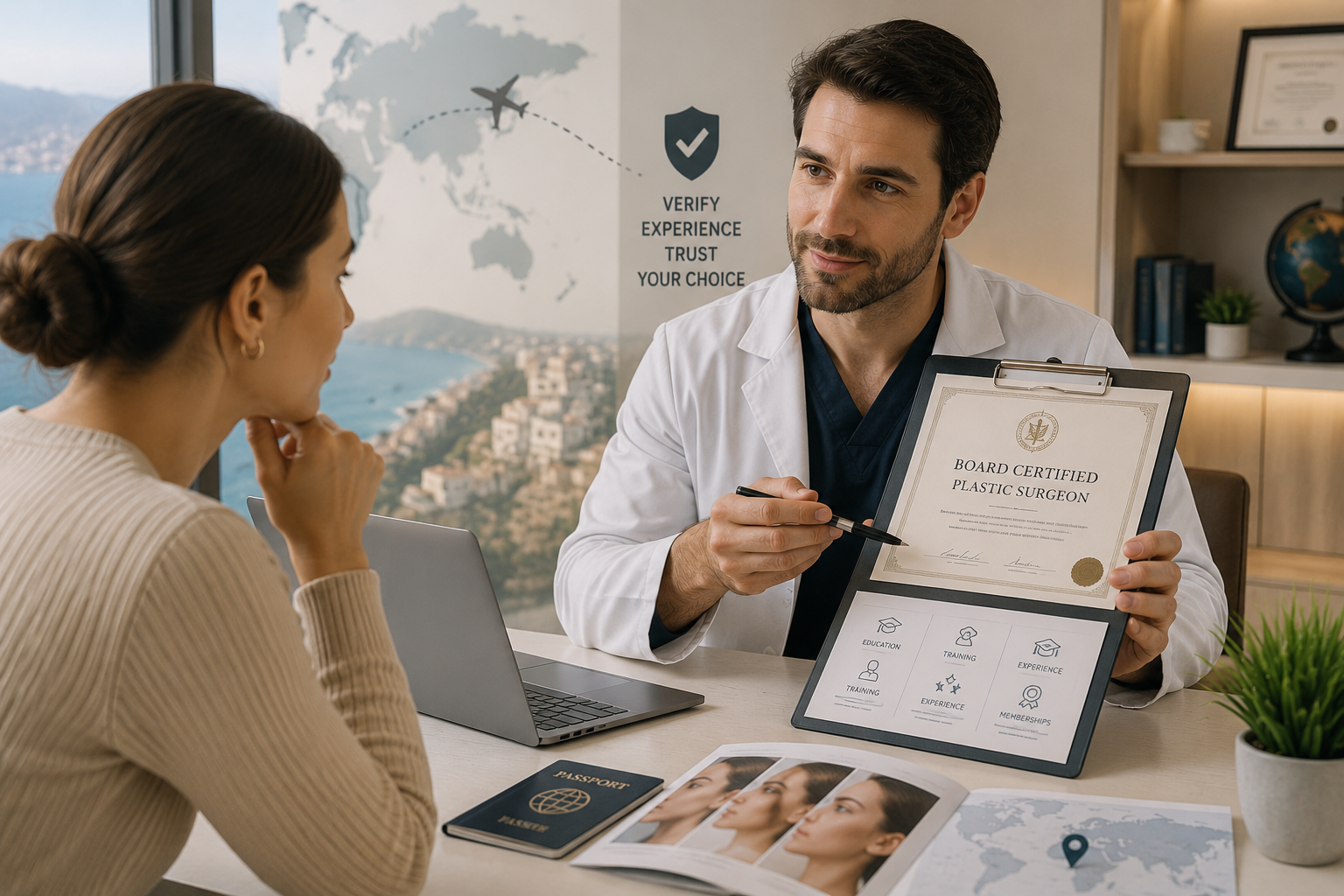
Visa and entry documents get handled as a batch rather than one confused patient at a time. Your coordinator checks entry rules for the destination, flags who needs a visa, and organizes medical letters the embassy may require. Processing this together catches problems early, while a platform simply assumes you already know what your destination demands.
On the ground: surgery day and coordinated recovery
Once your group lands, the coordinator's job shifts to sequencing several surgeries and recovery windows around one shared home base. Booking everyone into surgery on the same morning would overwhelm both the clinic and the recovery space. A coordinator staggers procedure dates so that the first patients are past their most demanding recovery days by the time the last patients go under. That spacing keeps a steady rotation of people who feel well enough to check on those who don't.
Staggered scheduling also protects the shared accommodation. If four patients recover in the same hotel or serviced apartment, the coordinator plans transfers so that clinic runs, follow-up appointments, and dressing changes don't all collide on one afternoon. Each patient rides to their consult or procedure on a scheduled transfer rather than negotiating taxis in an unfamiliar city.
The 24/7 support line and on-the-ground translator hold the whole itinerary together. When one patient wakes at 3 a.m. with a question about swelling, they reach a coordinator who can call the clinic, not a booking platform inbox that reopens Monday. The translator sits in on pre-op and post-op appointments so surgeon instructions reach every patient accurately, which matters more when several people are receiving different guidance in the same window. Le Medica keeps this continuity running between the overseas surgeon and each member of your group throughout the destination phase.
After you return home
Recovery does not end when the group boards the flight home. Your surgeon in Bangkok, Seoul, or Kuala Lumpur has post-op instructions, follow-up checkpoints, and warning signs to watch for, and none of that reaches your local doctor unless someone relays it. A coordinator keeps that channel open, passing surgical notes and recovery timelines between the overseas clinic and each patient's home care environment. Le Medica's recovery guide for cosmetic surgery abroad covers what that aftercare window typically involves for an individual patient, and the same checkpoints apply to every member of a group.
For a group, that continuity work multiplies. Five patients returning to five different cities means five separate handoffs, each with its own surgeon updates and follow-up questions. Le Medica manages those threads in parallel rather than leaving each patient to reconstruct their own aftercare from memory. When a healing question comes up weeks later, you contact one coordinator who already holds your file and can reach your surgeon directly.
Full-service coordinator vs. basic booking platform
A booking platform sells you a room and a flight, while a full-service group coordinator owns every layer between the airport and your local follow-up.
Feature / Area | Basic Booking Platform | Full-Service Group Coordinator |
Communication Controls | You email the clinic yourself, navigating language barriers & delays. | Single coordinator relays real-time updates between patients, surgeons, & hotel staff. |
Airport Transfers & Transport | Each patient must arrange, negotiate, and pay for separate rides. | Dedicated shared transfers pre-scheduled for group arrivals and hospital discharges. |
Surgical Calendaring | Fixed individual slots with a high risk of split, uncoordinated dates. | Staggered dates sequenced so recovery windows overlap smoothly at a shared base. |
Emergency Handling | You are left alone to resolve delays, mix-ups, or sudden changes. | On-the-ground 24/7 support absorbs schedule modifications and medical adjustments. |
Post-Op Follow-Up | All contact ends abruptly upon checkout from the international clinic. | Active continuity management linking the overseas surgeon directly to local doctors back home. |
Destination logistics: Thailand, South Korea, and Malaysia
Group logistics change with each country because the physical distance between clinics, hotels, and airports decides how much a coordinator has to sequence for everyone at once. Le Medica coordinates group trips to Thailand, South Korea, and Malaysia, and each destination presents a different puzzle. Beautiful You Holidays runs Kuala Lumpur and Phuket for the same reason we do, as both cities pair strong surgical clinics with hotel districts close enough to make shared transfers and recovery practical. For a head-to-head look at how the two leading Asian destinations compare beyond logistics, Le Medica's Thailand vs. South Korea guide breaks down procedure strengths and cost differences. The notes below explain what shifts when you bring several patients instead of one.
Group Cosmetic Surgery Logistics in Thailand
Bangkok and Phuket both cluster their cosmetic clinics near hotel districts, which is what makes them work for a group. In Phuket especially, a coordinator can book a block of rooms within a short drive of the clinic, so one transfer vehicle moves the whole group to consults, surgery, and follow-up appointments on the same route. That proximity also gives a group a shared recovery base, where patients rest in nearby rooms and reach the clinic quickly if a surgeon wants to check a result. Thai visa exemptions for many nationalities keep pre-trip paperwork light, so a coordinator spends less time on entry documents and more on synchronizing appointments across the group. Le Medica's guide to plastic surgery costs in Thailand breaks down what that value looks like procedure by procedure, and groups pursuing gastric sleeve or gastric bypass alongside cosmetic work will find Bangkok's hospital network handles both under one roof.
Group Plastic Surgery Coordination in South Korea
Seoul packs a high density of cosmetic surgeons into districts like Gangnam, and that concentration is what lets a coordinator run several patients on different surgeons within one itinerary. A group traveling to Seoul rarely all wants the same procedure, so patients often split across two or three clinics within a few kilometers of each other, one booked for rhinoplasty, another for a facelift or chin contouring. A coordinator sequences consults and surgery dates so the group still shares a hotel and shares transfers between appointments, even when the medical bookings sit at separate addresses. Managing that requires holding multiple surgical calendars against one shared travel schedule, which a booking platform leaves entirely to the patients. Le Medica's guide on why South Korea leads for rhinoplasty covers the surgeon specialization behind that concentration in more depth.
Managing Group Medical Tourism in Malaysia
Kuala Lumpur suits a group because its clinics, hotels, and airport connect through short, predictable transfer times, so moving several patients on one schedule stays manageable. The larger advantage for a group is entry handling. Malaysia grants visa-free entry to many nationalities for stays that comfortably cover surgery and recovery, and a coordinator confirms each traveler's eligibility before departure so the whole group clears immigration without surprises. When passports carry different nationalities, a coordinator checks each one against Malaysian entry rules and flags anyone who needs a visa in advance, which keeps a mixed-nationality group from arriving with mismatched paperwork. Kuala Lumpur's clinics also handle detail work well suited to a group mix, from hair transplant procedures to buccal fat removal, alongside the larger body and facial procedures other group members may be booking.
Safety in numbers: peer support during group recovery
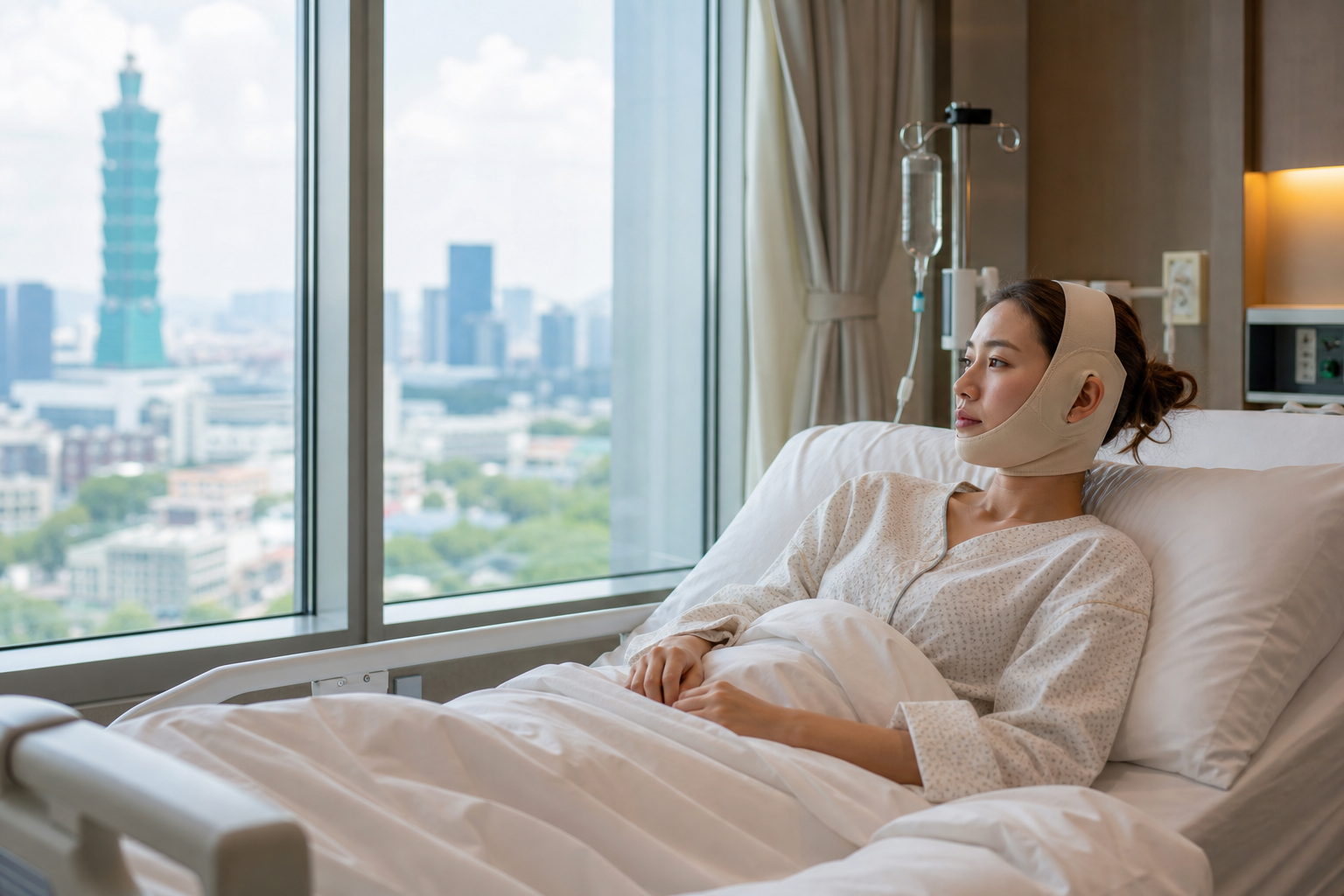
Recovering alongside other patients gives you something a private room cannot, which is people who understand exactly what you are going through because they went through it that day. When several patients share a recovery base, the swelling, the grogginess, and the small anxieties of the first 48 hours become shared reference points instead of private worries. Someone two rooms down had the same procedure and can tell you their bruising looked identical at hour 12.
That shared space also creates informal mutual monitoring. Group members notice when a companion seems off, is skipping meals, or looks paler than yesterday, and they flag it early to the on-site staff who then assess it clinically. Peer support works because it lowers the emotional load of an unfamiliar country and an unfamiliar body, and it makes the medical team's job easier by surfacing concerns sooner.
Peer support is a companion layer, not a clinical one. Your fellow patients cannot check a drain, adjust medication, or judge whether a symptom needs a surgeon. Le Medica pairs the emotional benefit of a group with round-the-clock access to trained staff who handle the medical side.
What's included in a group package — and what costs extra
A group package bundles the shared logistics every patient needs and prices the personal extras separately, so you can see exactly what your money covers before you commit. Le Medica groups inclusions into two tiers so a group can choose the level of support that fits.
Essential group coordination
✔ Return airport transfers for the whole group
✔ Accommodation booked as a clustered block near the clinic
✔ Synchronized pre-op consultations and surgery scheduling
✔ Translator support during appointments
✔ 24/7 coordinator contact throughout the trip
Signature group coordination (everything above, plus)
✔ Private in-transit assistance for each surgery day
✔ Coordinated post-op nursing check-ins at the shared recovery base
✔ Structured continuity handover to each patient's local doctor after return
Good to know: Flights, surgeon and hospital fees, visa costs, and travel insurance are typically quoted separately, since they vary by patient, procedure, and departure city. Non-surgical companions usually pay for their own flight and a shared room rate rather than a full care package.
What to ask your coordinator
Which costs are fixed for the group and which are per-patient?
Are surgeon and hospital fees quoted before or after I book travel?
What happens to my accommodation cost if one patient drops out?
Is post-op nursing included, or billed by the visit?
Can a non-surgical companion join at a reduced rate?
Are revision or complication scenarios covered, or handled as add-ons?
Group pricing lowers per-person cost mainly through shared transfers and block accommodation rates, not through discounted surgery. Ask your coordinator to itemize both layers so nothing surfaces after you arrive.
FAQ
How many patients do you need to form a group?
Le Medica coordinates group packages for as few as three patients traveling together. There is no fixed upper limit, though larger groups spread across more surgery days.
Does everyone in the group need the same procedure?
No. A coordinator sequences different procedures around one shared home base, so one patient can have rhinoplasty while another has liposuction on a separate day. Groups often mix procedures like breast augmentation, a tummy tuck, or a buttock lift in the same itinerary without disrupting the shared schedule.
What happens if one patient has a complication mid-trip?
That patient's surgeon and the on-the-ground coordinator manage the medical response while the rest of the group's schedule continues uninterrupted. Le Medica's 24/7 support handles any change to flights or accommodation for the affected patient.
Does the group have to book the same destination?
Yes. Shared transfers, group-rate accommodation, and peer recovery only work when everyone travels to one country and clinic network.
How is surgery scheduled across multiple patients?
The coordinator staggers operating dates so recovery windows overlap around a single accommodation block. Patients further into recovery are often up and about while others are still in their first days.
Does a group actually pay less?
Group-rate flight blocks and accommodation clustering lower per-person travel costs. Surgical fees stay set by each surgeon and procedure.
Can a non-surgical companion join?
Yes. Partners, family members, or friends can travel with the group as companions and share transfers and accommodation.
How are visas handled for the group?
The coordinator batches entry paperwork and confirms each traveler's requirements before departure.
Is recovery shared or private?
Both are available. Groups often choose clustered accommodation with private rooms and shared common space.
Can one patient extend their stay?
Yes. The coordinator rebooks that patient's return flight and accommodation separately from the group's schedule.
Plan your group's trip with Le Medica
A booking platform hands you a confirmation number and steps back. Le Medica coordinates the connection between your overseas surgeon and your local care, before, during, and after the trip, for every patient in your group. That continuity is why a group itinerary needs a person, not a checkout page.
Book a personalized group consultation with Le Medica, and we will map your group's flights, surgery scheduling, shared recovery, and follow-up care around your actual travel dates.