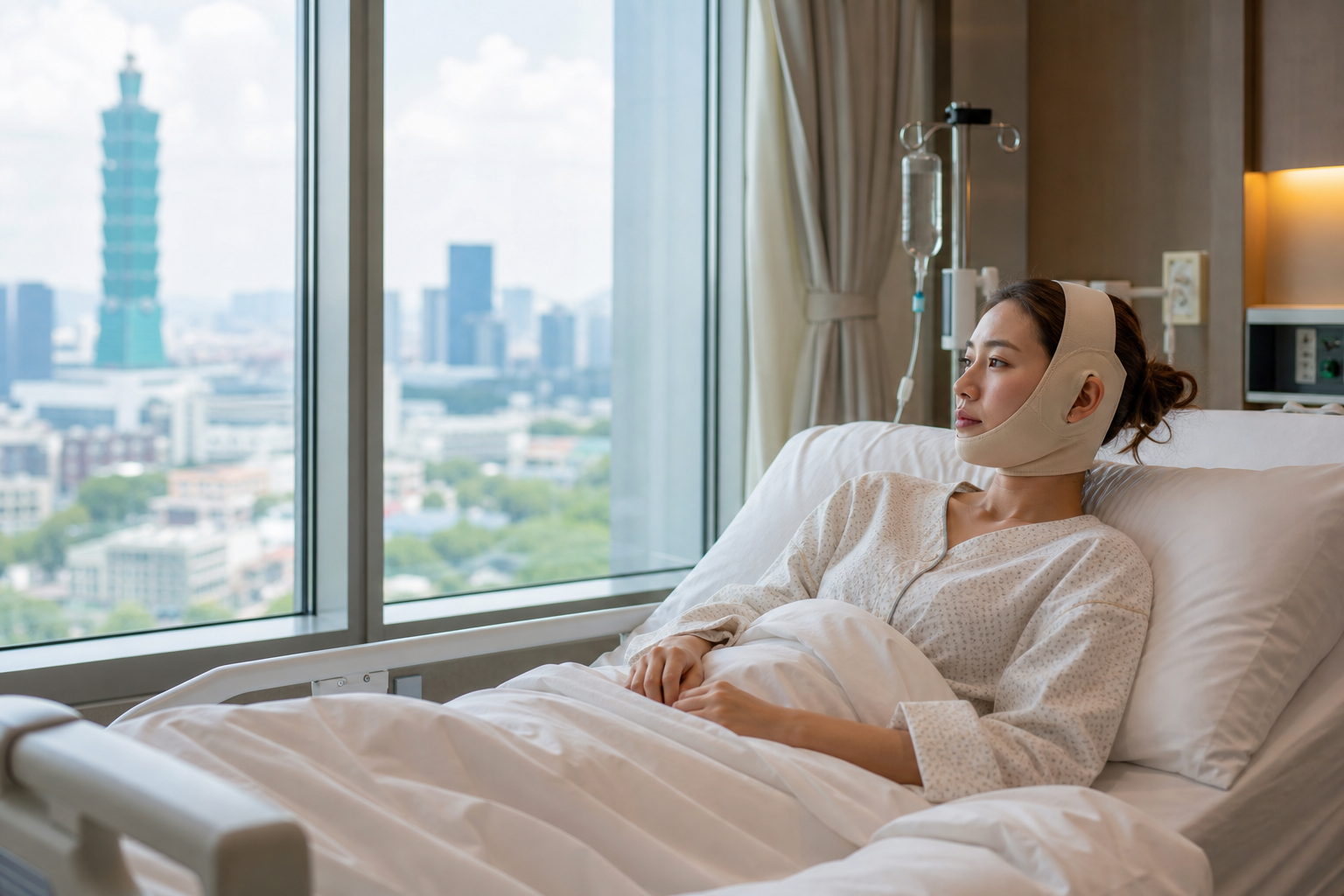
Chronic pain is quietly becoming one of the world's most urgent health crises — and millions of patients are discovering that the most advanced, affordable solutions are no longer found in their home countries. Whether you're living with degenerative disc disease, failed back surgery syndrome, or treatment-resistant joint pain, pain management treatment in Asia is emerging as a compelling alternative that combines clinical excellence with dramatically lower costs.
Why Asia Is Becoming the World's Pain Management Hub
According to a recent report highlighted by Healthcare Asia Magazine, Asia's pain management market is growing at approximately 12% annually, driven primarily by rising surgical demand and rapid investment in interventional pain technologies. This growth rate significantly outpaces Western markets and reflects a region that is actively building world-class infrastructure for pain care.
The reasons are straightforward. Hospitals across Thailand, Malaysia, South Korea, and China have invested heavily in internationally accredited pain clinics, attracting board-certified specialists who trained in the United States, the United Kingdom, and Europe. At the same time, costs for procedures that might run $30,000–$80,000 in the US or Australia can often be completed in Asia for 30–60% less — without compromising on equipment, technique, or aftercare quality.
Why This Matters Now
The timing is significant. Western healthcare systems are under unprecedented strain, with wait times for specialist pain consultations stretching to six months or more in countries like the UK, Canada, and Australia. Meanwhile, private insurance coverage for complex pain procedures continues to shrink. Patients who once waited and hoped are now actively seeking alternatives — and Asia's hospitals are ready to receive them.
The 12% annual market growth figure is not just a financial statistic. It signals that hospitals across the region are expanding capacity, recruiting fellowship-trained pain specialists, and introducing technologies like spinal cord stimulation, radiofrequency ablation, and regenerative cell therapies that were previously available only at major Western academic medical centers. For patients, this convergence of affordability and innovation represents a genuinely transformative opportunity.
Surgical Pain Management Options in Asia
For patients whose pain has a structural or neurological origin, surgical intervention may offer the most durable relief. Asian hospitals now offer the full spectrum of surgical pain procedures, often with significantly shorter wait times than in Western countries.
Spinal Decompression Surgery (Laminectomy/Discectomy): Commonly performed in South Korea and Thailand, with costs typically ranging from $8,000–$18,000 USD compared to $30,000–$50,000+ in the US.
Spinal Cord Stimulator (SCS) Implantation: Available at leading centers in Malaysia and South Korea, with total costs (device + procedure) often 40–50% lower than equivalent US pricing.
Artificial Disc Replacement: Particularly advanced programs exist in South Korea and Taiwan, where orthopedic spine centers use next-generation implants approved in Europe and Asia.
Minimally Invasive Spine Surgery (MISS): Thailand's JCI-accredited hospitals are especially well-regarded for endoscopic and laser spine procedures, offering faster recovery and reduced scarring.
Non-Surgical Pain Management Options in Asia
Not every patient requires surgery, and Asia's pain clinics excel at offering evidence-based non-surgical treatments that can dramatically improve quality of life. Many international patients travel specifically for these interventional procedures, which can be completed in a matter of days rather than requiring lengthy hospital stays.
Radiofrequency Ablation (RFA): Used for facet joint pain, sacroiliac joint dysfunction, and trigeminal neuralgia. Widely available in Malaysia and Thailand at costs of $1,500–$4,000 USD per session.
Platelet-Rich Plasma (PRP) and Regenerative Injections: Popular in South Korea and China, where regenerative medicine protocols are more advanced and more affordably priced than in Western markets.
Epidural Steroid Injections and Nerve Blocks: Routine procedures at most Asian pain centers, often performed under fluoroscopic guidance and priced at $500–$1,500 USD.
Ketamine Infusion Therapy: Emerging as a treatment for complex regional pain syndrome (CRPS) and fibromyalgia at specialized clinics in Thailand and South Korea.
Traditional and Integrative Pain Therapies: China's hospitals uniquely blend evidence-based Western interventional pain medicine with traditional Chinese medicine modalities, including acupuncture and herbal anti-inflammatory protocols, under one roof.
Which Country Is Right for Your Pain Condition?
Choosing the right destination depends on the nature of your pain, the specific treatment required, your budget, and personal preferences around language and travel logistics. Here is a general orientation:
South Korea is the leading choice for complex spine surgery, regenerative orthopedics, and patients seeking cutting-edge technology in a highly organized healthcare environment.
Thailand excels in minimally invasive spine procedures, comprehensive pain management packages, and aftercare comfort — making it ideal for patients who want clinical excellence combined with a recovery-friendly environment.
Malaysia offers English-speaking staff, internationally trained specialists, and competitive pricing, making it especially accessible for patients from Australia, the UK, and Southeast Asia.
China provides access to some of the world's most advanced stem cell and regenerative pain therapies, particularly at major hospitals in Beijing and Shanghai, and is a strong option for patients with autoimmune-driven or neurological pain conditions.
What to Expect From the Medical Travel Process
Traveling abroad for pain treatment can feel daunting, particularly when you are already managing a debilitating condition. A well-structured concierge service removes that burden entirely. Through Le Medica, patients receive a dedicated case coordinator who reviews their medical history, identifies the most appropriate hospitals and specialists, arranges pre-travel consultations, and manages every logistical detail from airport transfers to accommodation and follow-up care.
Most pain management journeys to Asia run between 7 and 21 days, depending on whether the treatment is surgical or interventional. Post-procedure telemedicine follow-up is standard, ensuring continuity of care when you return home. Le Medica also works with patients' home physicians to ensure seamless communication of treatment records and recovery protocols.
Frequently Asked Questions
Is pain management treatment in Asia safe for international patients?
Yes — provided you choose hospitals with international accreditation such as Joint Commission International (JCI) or accreditation from the Malaysian Society for Quality in Health (MSQH). Le Medica works exclusively with vetted, accredited institutions where pain specialists hold internationally recognized qualifications. Patient safety standards at these facilities are comparable to leading Western hospitals.
Will my home country insurance cover pain treatment abroad?
Coverage varies significantly by insurer and policy. Some international health insurance plans do cover treatment abroad, particularly when procedures are deemed medically necessary and are not available domestically within a reasonable timeframe. Le Medica's team can assist you in obtaining the documentation needed to submit an insurance claim and will provide itemized cost estimates for pre-authorization purposes.
How do I know which type of pain treatment is right for me?
This is determined through a careful review of your medical history, imaging, prior treatments, and current pain profile. Le Medica coordinates a pre-travel virtual consultation with a specialist at the receiving hospital before you commit to travel. This ensures you arrive with a confirmed treatment plan tailored to your specific condition — there are no surprises.
Can I combine pain treatment with recovery time in a destination like Thailand or Malaysia?
Absolutely, and many patients plan their trip with this in mind. Both Thailand and Malaysia offer exceptional post-treatment recovery environments, including dedicated medical wellness retreats, physiotherapy services, and hotel partnerships with accessibility accommodations. Le Medica can incorporate recovery stays into your itinerary as part of a fully managed treatment journey.
Take the First Step Toward Lasting Relief
You do not have to keep waiting, overpaying, or settling for inadequate care. Asia's world-class pain specialists are ready to help — and Le Medica is here to connect you with the right expert, at the right hospital, with every detail expertly managed. Contact Le Medica today to receive a free, no-obligation case assessment and discover what pain management treatment in Asia could mean for your quality of life.